- Home
- Generator vs Power Station
Buying guide
Generator vs power station: which one do you need?
The short answer: a power station for short outages and essentials, a generator for long outages and big loads. Answer four questions below for your own answer.
By Brian Adrian · Updated October 21, 2026
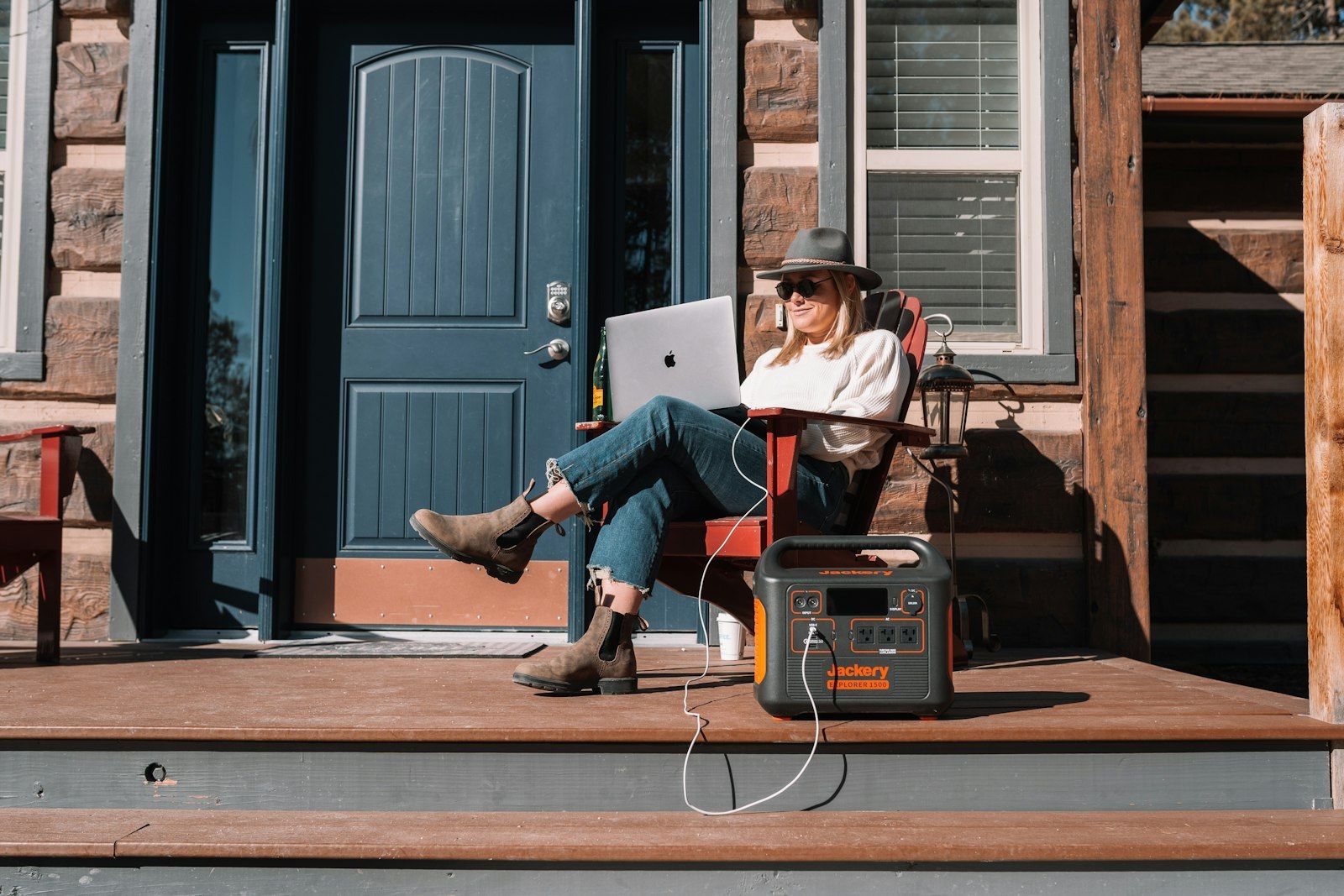
Side by side
| Power station | Generator | |
|---|---|---|
| Where it can run | Indoors, next to your bed or fridge | Outdoors only, 20+ ft from the house |
| Noise | Silent (a small fan at most) | Loud: like a lawn mower for open-frame models, quieter for inverters |
| How long it lasts | Hours to a day or two, then it needs recharging | As long as you keep adding gas or propane |
| Power output | About 300 to 4,000 W for most models | About 2,000 to 12,500 W |
| 240 V (well pump, central AC) | Only a few large models | Common on 7,000 W+ portable generators |
| Switch-over when the power cuts | Many switch on automatically in 10–30 ms (UPS-like) | You have to go outside, start it and plug in |
| Maintenance | Almost none; charge it every few months | Oil changes, fresh fuel, running it monthly |
| Fuel and fumes | None. Recharges from the wall, solar or a car | Gasoline or propane, with carbon monoxide exhaust |
| Lifespan | LiFePO4 batteries: 3,000–6,000 charge cycles | Hundreds to thousands of hours of engine life |
Choose a power station if…
- Your outages are usually short: a few hours, or a day at most.
- You live in an apartment, condo or anywhere you can't safely run an engine 20 feet from the house.
- Someone depends on a CPAP or other medical device and needs it to keep running at night, without anyone going outside.
- You want something you can also take camping, with no fuel to store.
Choose a generator if…
- Outages in your area last days (hurricanes, ice storms, rural lines).
- You need a well pump, central air, an electric range or most of the house.
- You want the most watts per dollar and can store fuel safely.
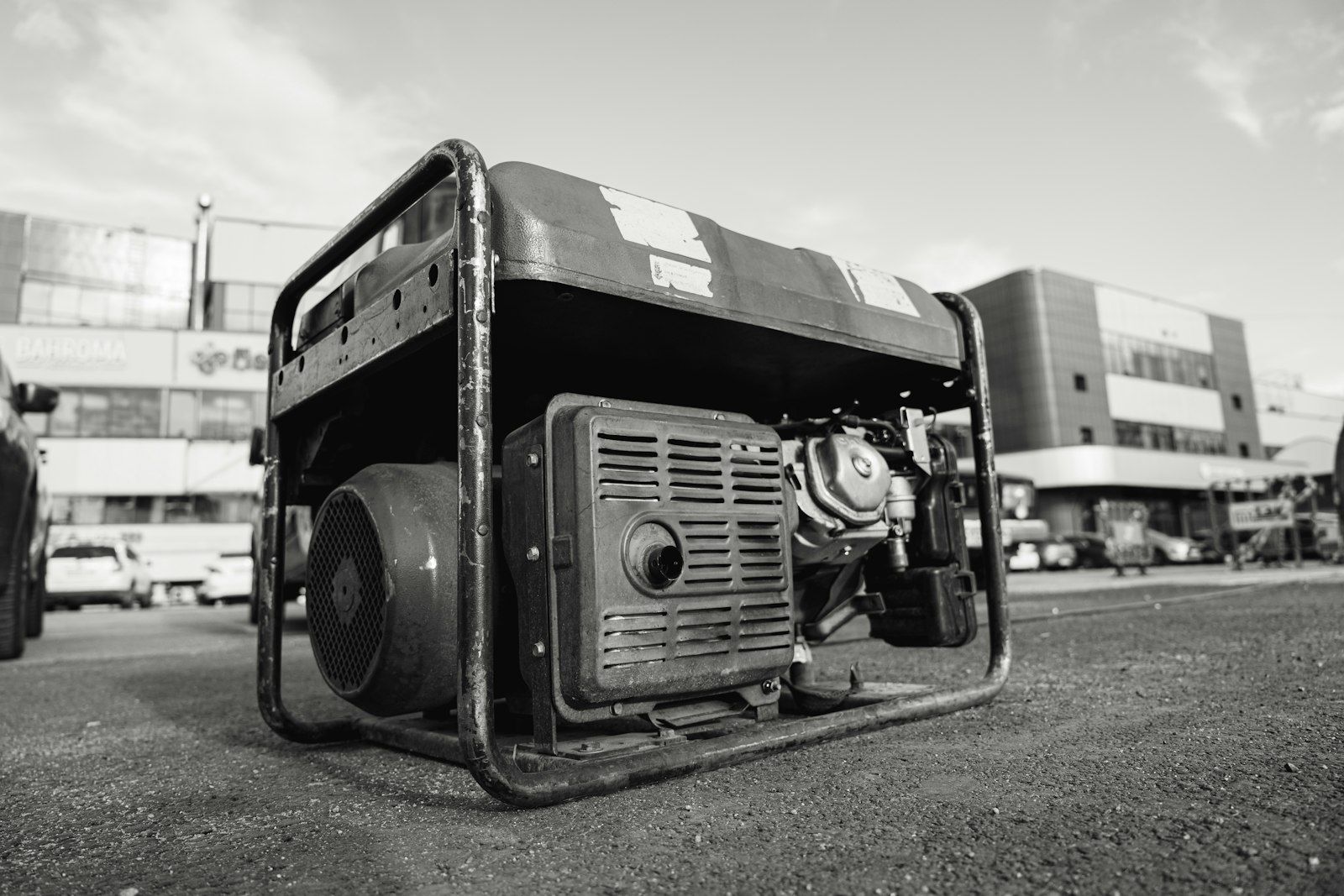
The combo many people end up with
A mid-size power station (about 1,000 to 2,000 Wh) keeps the fridge, Wi-Fi and CPAP running silently all night. In the morning, a generator runs for a few hours to power heavier loads and recharge the battery. You burn far less fuel, sleep without engine noise, and the essentials never go dark.
Not sure how big each one should be? The backup power planner sizes both from your list, and the watt hour calculator tells you how much battery you need per day.
Frequently asked questions
Is a power station better than a generator for home backup?
For short outages and essentials (fridge, Wi-Fi, CPAP, lights, phones) a power station is usually the better experience: it is silent, safe indoors and switches on by itself. For long outages, or to run a well pump, central air or most of the house, a generator is the practical choice because it can run for days and deliver far more watts.
Can a power station run a refrigerator?
Yes. Most 1,000 Wh class power stations can start and run a modern refrigerator, which averages about 60 watts over the day. Expect roughly 12 to 15 hours from a 1,000 Wh unit and about a day from 2,000 Wh, more if you add solar panels.
What is a "solar generator"?
It is a marketing name for a portable power station sold with solar panels. It has no engine and doesn't generate power by itself: the panels recharge the battery when the sun is out.
Can I use both?
Many people do: a power station keeps the fridge, Wi-Fi and medical devices running silently through the night, and a generator recharges it (and runs heavier loads) for a few hours during the day. This cuts fuel use and generator noise.
Updated October 21, 2026. General guidance only: always follow your equipment's manual and have a licensed electrician connect anything to your home's wiring.